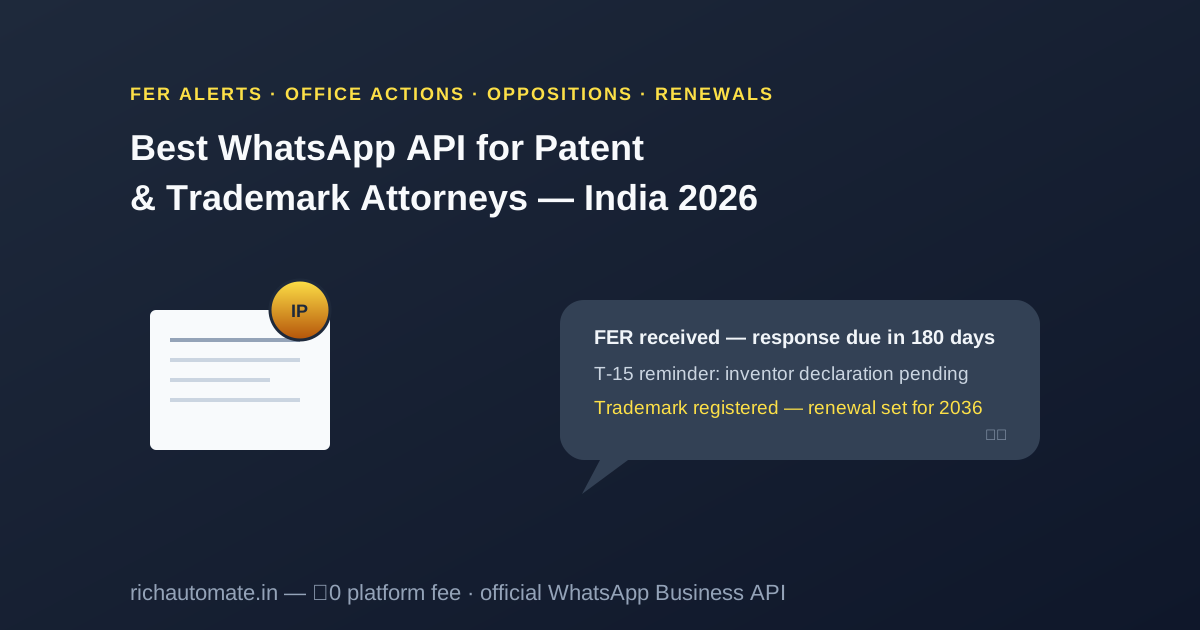
Why IP practices are a bad fit for generic client-communication tools
A CA firm chases GSTR filings. A law firm chases hearing dates. A patent or trademark attorney's practice runs on a different clock entirely — the Indian Patent Office (IPO) and the Trade Marks Registry issue examination reports and office actions with hard statutory response windows (commonly 6 months from FER issuance for patents, extendable once, and shorter windows for TM objections and oppositions). Miss the window and the application is treated as abandoned or the opposition is deemed uncontested. Email digests get buried under 200 unread messages. A WhatsApp thread with a specific client, tied to a specific application number, does not get buried the same way — read receipts and reply threads make deadline chases visible.
What WhatsApp automation covers well for a patent/trademark practice
| Workflow moment | What automates cleanly | What stays manual (attorney judgment) |
|---|---|---|
| FER / office-action received | Template alert to client with deadline date, document checklist link | Drafting the actual response/arguments |
| Response drafting window | T-30/T-15/T-3 day reminder cadence, escalating urgency copy | Deciding whether to request an extension |
| Prior-art / inventor input collection | WhatsApp Flow form for inventor declarations, supporting docs upload | Technical review of what's submitted |
| Opposition / hearing notice | Notice forwarded + calendar-hold reminder to client | Hearing strategy, appearance |
| Grant / registration | Certificate delivery + renewal-schedule kickoff message | None — pure delivery |
| Renewal cycle (patents: yearly from 3rd year; TM: 10-year) | Annual/decadal renewal reminder sequence, fee-quote push | Client's business decision to abandon/renew |
Buyer persona: the 2-8 partner IP boutique
The clearest fit is not a solo practitioner with 15 files and not a 200-attorney national firm with a dedicated docketing department — it's the boutique IP firm with 2-8 attorneys and a docket of 150-800 live applications across patent, trademark, and design. This firm has outgrown a spreadsheet-and-Outlook-reminders system but can't justify a ₹15-25L/year enterprise IP-management suite. A docketing paralegal is already tracking dates in Excel; WhatsApp automation sits on top of that docket and turns internal reminders into client-facing nudges without a second software purchase.
Get a 1-minute BSP audit on WhatsApp
Drop your WhatsApp number — we line-item your current invoice against Meta India rates in under 60 seconds. India-hosted, DPDP-compliant.
The WhatsApp template approval checker will tell you whether the wording is likely to clear review before you waste a submission.
Regulatory and professional-conduct reality (verify current rules before going live)
Patent agents and trademark attorneys who are not enrolled advocates are regulated by the Patents Act/CGPDTM registration and Trade Marks Act practice rules respectively, not the Bar Council of India — but many IP practitioners are also enrolled advocates, in which case BCI's advertising and solicitation restrictions apply to outbound messaging. The safe posture: WhatsApp automation here is a status/deadline-notification channel for existing engaged clients, not a client-acquisition or advice-dispensing tool. No message should render legal opinions on patentability, distinctiveness, or infringement — those stay in a signed letter or a call. Confirm your enrolling body's current stance on electronic client communication before scaling this beyond existing clients.
What NOT to automate
- Substantive responses to office actions — arguments on novelty, inventive step, or distinctiveness require attorney drafting, always.
- Legal advice on strategy — whether to appeal, oppose, or abandon is a paid consultation, not a bot reply.
- Confidential invention disclosures — pre-filing invention details are trade secrets; route detailed technical disclosures to a secure document portal, use WhatsApp only for "please upload to portal" nudges, not the disclosure content itself.
- Fee negotiation — quote delivery can be automated; negotiation should not be.
Cost model on canonical RichAutomate pricing
Platform access itself is ₹0 — no software licence fee. You pay Meta's per-conversation cost only when a conversation is opened. On Client Pay (India business-initiated), utility-category conversations — deadline reminders, status updates, renewal notices, all fall here — are billed at roughly ₹0.10 per conversation. On the newer SaaS Pay-style utility-marketing split some BSPs quote, utility runs near ₹0.50 and marketing-category sends near ₹1.50; almost everything an IP-docket reminder needs is utility, not marketing, so real-world cost per client-thread stays low even across a 500-file docket. A 14-day trial with 100 free credits is enough to run one or two live FER-deadline cycles before committing.
Onboarding outline for an IP practice
- Connect WhatsApp Business number, verify Meta Business + display name (firm name, not individual attorney name, for continuity).
- Import active docket (application number, client, deadline type, deadline date) via CSV.
- Build 4-5 reminder templates: FER-received, T-30, T-15, T-3, and renewal-due — get each approved by Meta once, reuse for the life of the practice.
- Wire a WhatsApp Flow for document collection (inventor declarations, POA, supporting evidence) so replies land as structured uploads, not scattered photos in chat.
- Set escalation: any client reply containing a question (not just a document) routes to a human attorney queue, never auto-answered.
Who this fits — and who it doesn't
Fits: boutique-to-mid IP firms with an existing docketing discipline that want client-facing visibility on the deadlines they already track internally. Does not fit: firms still tracking deadlines ad hoc in individual attorneys' inboxes — fix the docketing system first, automation on top of a broken tracking process just automates the confusion faster.
Honesty note: WhatsApp reminders reduce missed-deadline risk by making dates visible to both firm and client, but they don't replace a proper docketing/renewal-management discipline — treat this as the client-communication layer on top of whatever system tracks the actual dates internally.